Source Reflective Metal Garden Wind Spinner with Stake for Yard, Patio, and Lawn Decor
Find and compare 30 Reflective Metal Garden Wind Spinner with Stake options from verified suppliers. Evaluate designs, materials, and customization capabilities to select the ideal decorative piece for outdoor spaces.
Key considerations
Products List


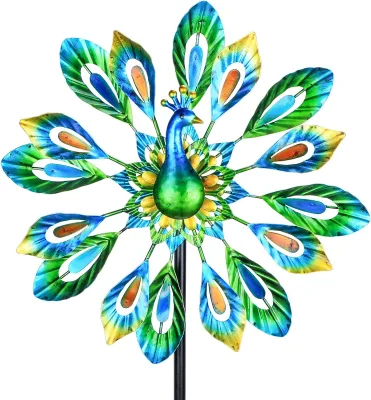
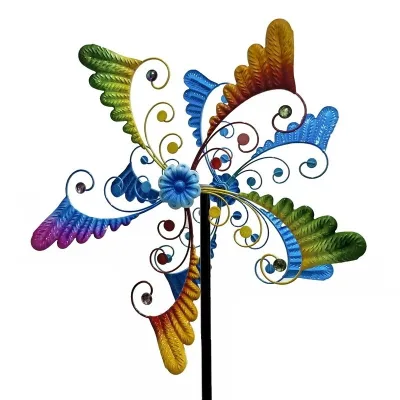
High Quality Metal Peacock Wind Spinners for Outdoor Windmill Garden Stake
$4.20 - $4.25
MOQ: 800 Pieces


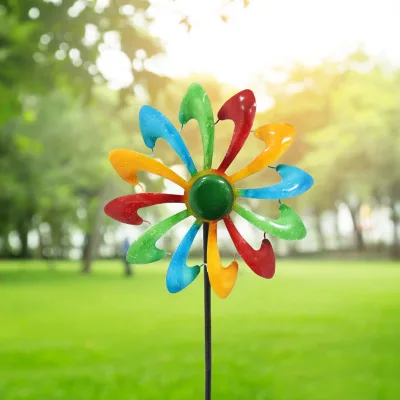
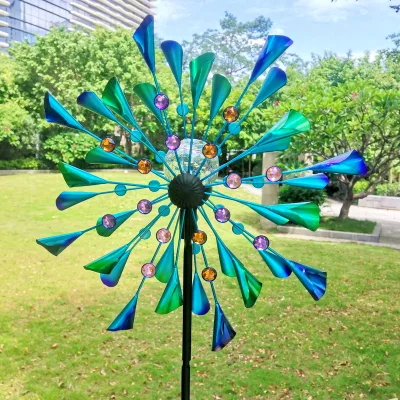

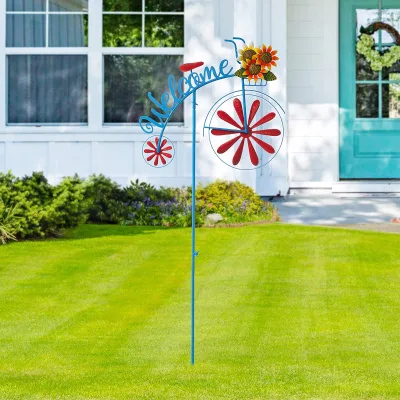
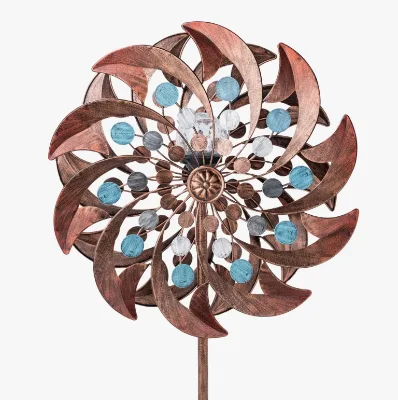
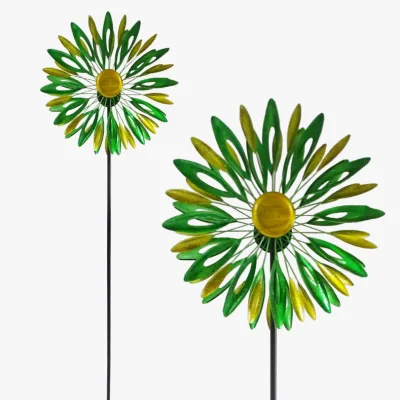
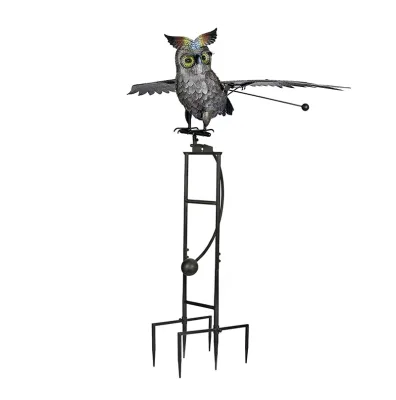
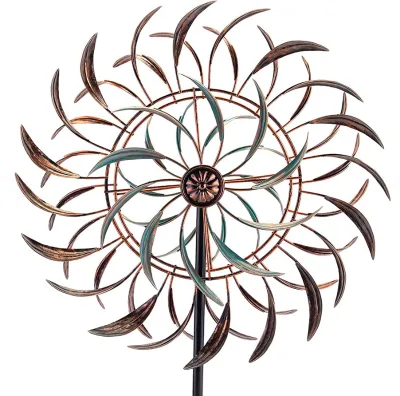

Wholesale Garden Metal Stainless Steel Windmill Spinner with High Quality
$500.00 - $1500.00
MOQ: 1 Pieces


Stainless Steel Kinetic Sculpture Garden Metal Wind Spinners for Sale
$1000.00 - $1500.00
MOQ: 1 Pieces

Customized Magic Metal Wind Kinetic Spinner Sculpture Garden Landscape Decoration
$500.00 - $1500.00
MOQ: 1 Pieces

Stainless Steel Kinetic Energy Motion Metal Wind Spinner Sculpture Park Decoration
$500.00 - $1500.00
MOQ: 1 Pieces

Stainless Steel Metal Wind Kinetic Spinner Sculpture Outdoor Garden Decoration
$500.00 - $1500.00
MOQ: 1 Pieces


Comprehensive Sourcing Guide
Reflective Metal Garden Wind Spinner Sourcing Guide
Sourcing reflective metal garden wind spinners with stakes requires a careful balance between aesthetic appeal, structural durability, and regulatory compliance. These decorative items serve as both functional garden ornaments and promotional gifts, often featuring custom designs to align with brand identities or specific thematic requirements. Buyers must navigate a market where materials range from standard metals to specialized finishes, and where manufacturing processes vary from semi-manual assembly to fully automated machinery. Understanding the distinction between these production methods is critical for ensuring consistent quality and meeting volume demands without compromising the intricate details that make these spinners visually striking.
The procurement process involves verifying a wide array of specifications, from the specific metal alloys used to the precision of laser-cut designs. Suppliers often offer customization options, including color variations and packaging solutions, which can significantly impact the final unit cost and lead times. It is essential for buyers to establish clear communication regarding these variables early in the sourcing journey. By focusing on verified attributes such as material composition, surface treatment, and packaging standards, buyers can mitigate risks associated with product inconsistency and ensure that the final goods meet both functional and aesthetic expectations.
Product Scope and Observed Listing Signals
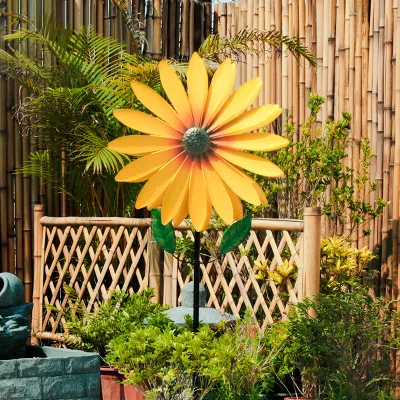
The market for metal wind spinners encompasses a diverse range of products, from simple sunflower designs to complex modern sculptures. Observed listings indicate that these items are primarily categorized as outdoor decorations, suitable for home gardens, promotional events, and personal collections. The core keyword highlights a specific aesthetic—reflective metal—which suggests a focus on visual impact and durability against weather elements. Buyers should note that while some products are described as having a "natural" or "creative" style, others may feature "modern" design elements or specific character motifs like windmills. This variety requires buyers to clearly define their visual requirements to avoid mismatches between sample and bulk production.
Material composition is a critical differentiator in this category, with metal being the predominant substance used for construction. The presence of stakes indicates that these spinners are designed for ground installation, requiring a sturdy base to withstand wind forces. Listings often mention customization availability, allowing buyers to tailor colors, sizes, and packaging to their specific needs. For instance, some suppliers offer custom CMY printed paper boxes, while others use standard polybag packaging. Understanding these variations helps buyers assess the total landed cost, including packaging expenses, and ensures that the product presentation aligns with their brand or retail requirements.
Technical Specifications to Verify
When evaluating technical specifications, buyers must prioritize the structural integrity of the metal components and the precision of the manufacturing process. The use of laser processing and machinery indicates a capability for high-precision cuts and consistent shapes, which is vital for the smooth rotation of the spinner. Buyers should verify the thickness and type of metal used, as thinner materials may be prone to bending or breaking in high winds. Additionally, surface treatments such as painting are common, and buyers should inquire about the durability of these finishes against UV exposure and moisture to ensure long-term vibrancy and resistance to rust or corrosion.
Packaging dimensions and weights are crucial for logistics planning and cost estimation. Observed standard packages vary significantly, with some items packed in polybags and others in color boxes or bubble boxes. Dimensions such as 36x30x12cm or 30x38x0.05cm suggest a wide range of product sizes, from small tabletop decorations to large garden stakes. Buyers must confirm the exact packed dimensions and weight for each SKU to calculate shipping costs accurately. Furthermore, verifying the origin of production, often listed as China or specific cities like Quanzhou, can provide insights into the supply chain dynamics and potential lead times associated with manufacturing and export.
Compliance and Safety Documentation
Compliance with international safety standards is non-negotiable for garden decorations, especially those intended for children or outdoor public spaces. Buyers should request documentation for relevant certifications, such as BSCI for social compliance, and product safety standards like CE, EN71-3, RoHS, and ASTM. These certifications ensure that the materials used are free from harmful substances and that the product meets specific safety requirements for mechanical and physical properties. Without these documents, buyers risk facing regulatory hurdles in their target markets, which can lead to product recalls or legal liabilities.
In addition to product-specific certifications, buyers should verify the supplier’s adherence to broader quality management standards. While some background information may mention ISO 27001, this is primarily an information security standard and may not directly relate to product safety. Instead, buyers should focus on certifications that directly impact the physical product, such as those ensuring the safety of paints and coatings. Requesting test reports from accredited laboratories can provide additional assurance that the products meet the required standards. This due diligence is essential for maintaining brand reputation and ensuring customer safety.
Cost Drivers and Commercial Terms
Several factors influence the cost of reflective metal garden wind spinners, including material costs, manufacturing complexity, and customization requirements. The use of metal, particularly if it involves specialized alloys or finishes, can drive up material costs. Similarly, processes such as laser cutting and semi-manual assembly may incur higher labor costs compared to fully automated production. Buyers should also consider the impact of customization, such as custom colors or packaging, which can add to the unit price. Understanding these cost drivers allows buyers to negotiate more effectively and identify areas where cost savings may be possible without compromising quality.
Commercial terms, including minimum order quantities (MOQ) and sample times, play a significant role in the procurement strategy. Observed MOQs range from 100 pieces to 2000 pieces, reflecting the flexibility of suppliers to accommodate different order sizes. Buyers should align their order quantities with their sales forecasts to avoid excess inventory. Sample times, typically ranging from 5 to 7 days, are crucial for validating product quality before committing to large orders. Buyers should also clarify payment terms, shipping methods, and lead times to ensure a smooth transaction process. Clear communication regarding these terms helps prevent misunderstandings and ensures timely delivery.
Supplier Qualification and Quality Control
Supplier qualification is a critical step in ensuring a reliable supply chain for metal wind spinners. Buyers should assess suppliers based on their production capacity, quality control processes, and past performance. A supply ability of 2,000,000 pieces per month, as observed in some listings, indicates a high-capacity manufacturer capable of handling large orders. However, buyers should verify this capacity through site audits or third-party inspections to ensure that the supplier can maintain quality and meet deadlines consistently. Additionally, checking for certifications such as BSCI can provide insights into the supplier’s social and ethical practices.
Quality control measures should be implemented at various stages of production, from raw material inspection to final packaging. Buyers should request detailed quality control plans from suppliers, including inspection criteria and acceptance standards. For custom products, pre-production samples should be approved before bulk manufacturing begins. During production, in-process inspections can help identify and rectify defects early. Final random inspections based on accepted quality limits (AQL) are essential to ensure that the shipped products meet the agreed-upon specifications. Establishing a robust quality control framework helps minimize the risk of receiving substandard goods.
Long-Term Procurement Checks
Long-term procurement success depends on continuous monitoring and evaluation of supplier performance. Buyers should establish key performance indicators (KPIs) such as on-time delivery rates, product defect rates, and responsiveness to issues. Regular reviews of these metrics can help identify potential problems early and facilitate corrective actions. Additionally, maintaining open communication with suppliers is essential for addressing any changes in product specifications or market conditions. Buyers should also stay informed about regulatory changes in their target markets to ensure ongoing compliance.
Building a resilient supply chain involves diversifying suppliers and developing contingency plans for potential disruptions. Buyers should consider working with multiple suppliers to mitigate the risk of supply chain interruptions. Regularly updating product specifications and designs can also help keep offerings fresh and competitive. By focusing on long-term relationships and continuous improvement, buyers can ensure a steady supply of high-quality reflective metal garden wind spiners that meet their customers’ needs and expectations. This proactive approach helps sustain business growth and enhances customer satisfaction over time.
FAQs
What customization options are available for these wind spinners?
Customization is available for these metal wind spinners, allowing buyers to request specific designs or colors. The product page confirms that customized colors and designs are accepted, enabling tailored solutions for home decorations or promotional gifts without requiring minimum order quantities for basic customization.
Which certifications do the metal wind spinners hold?
The products hold BSCI certification, and some listings mention CE, EN71-3, RoHS, and ASTM standards. These certifications ensure safety and compliance for international markets, particularly for items used as home decorations or holiday gifts, providing assurance of quality and material safety for the end user.
How is the product packaged for shipping?
Standard packaging involves placing each item into a polybag, while custom options include a CMY printed paper box. Specific models may also use color boxes or bubble boxes depending on the design, ensuring protection during transit for these outdoor metal decorations and collection items.
Can I order a small quantity of these spinners?
Yes, you can order as few as 100 pieces for some models, while others require a minimum of 2000 pieces. The observed MOQ range spans from 1 to 2000 units, allowing flexibility for small promotional orders or larger collection projects depending on the specific product model selected.
What is the supply capacity for these metal spinners?
The supplier has a monthly supply ability of 2,000,000 pieces, ensuring high-volume availability for large orders. This capacity supports consistent delivery for global markets, accommodating both standard and customized requests for outdoor metal wind spinners used in home or religious crafts.
Where are these wind spinners manufactured?
These products originate from China, with specific manufacturing locations noted in Quanzhou City. The origin is consistently listed as China across the product listings, indicating the primary source for these metal garden decorations and promotional gifts.